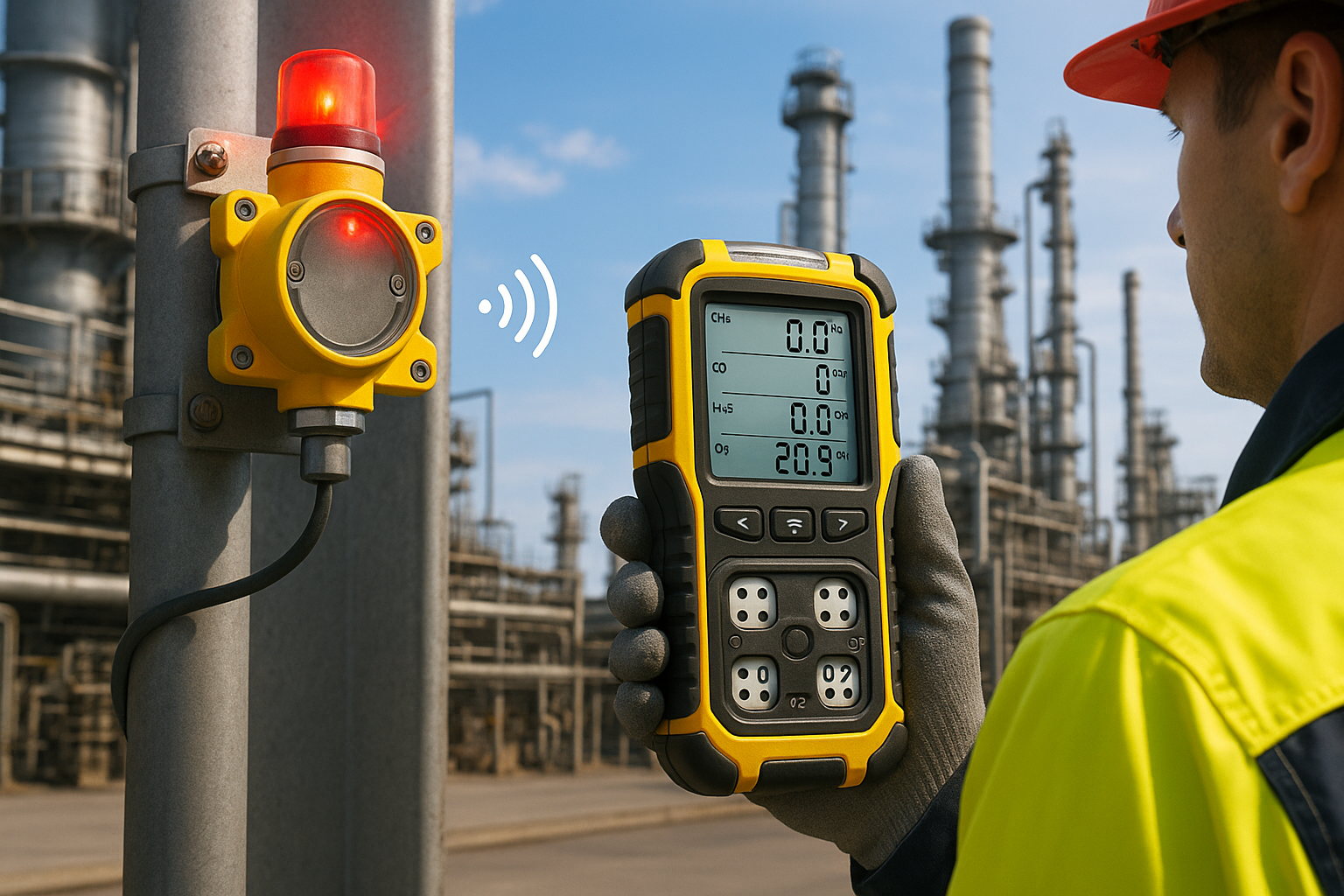
Gas Detection System are crucial technologies used globally to ensure safety in industries and environments where hazardous gases may be present. With the rising need for workplace safety and environmental monitoring, these systems help detect gas leaks, prevent accidents, and comply with safety regulations. This article explores Gas Detection System In Dubai extensively, covering their types, working principles, industry applications, technological advancements including AI integration, and future trends.
Introduction to Gas Detection Systems
A Gas Detection System is a device or network of devices designed to monitor the air for the presence of gases that can be harmful or hazardous to humans, animals, or the environment. Such gases might be toxic, flammable, or oxygen-depleting.
The primary goal of gas detection is to provide early warnings to prevent potential health risks, fires, explosions, or environmental contamination. In industries like oil and gas, mining, chemical manufacturing, and even confined commercial spaces, gas detection is mandatory to maintain a safe working environment.
Importance of Gas Detection
Gas leaks and harmful exposures can lead to catastrophic consequences, including injuries, fatalities, and property damage. Some gases are odorless and colorless, making detection without technology impossible. Early detection minimizes:
- Risk of explosions in flammable environments
- Health hazards from exposure to toxic or asphyxiating gases
- Environmental damage caused by gas emissions
- Regulatory non-compliance penalties
A reliable gas detection system is thus integral to occupational safety and environmental protection.
Types of Gases Detected
Gas detection systems are not universal; they vary depending on the types of gases they monitor. Common categories include:
- Combustible gases: Methane, propane, hydrogen, natural gas
- Toxic gases: Carbon monoxide (CO), hydrogen sulfide (H₂S), ammonia, chlorine
- Oxygen levels: Both deficient (below 19.5%) and enriched atmospheres (above 23.5%)
- Volatile Organic Compounds (VOCs): Benzene, toluene
Each gas presents unique detection challenges, influencing sensor choice and system design.
How Gas Detection Systems Work
Gas detection systems generally consist of three components:
- Sensor: Detects the presence and concentration of gases.
- Control Unit: Processes sensor data and triggers alarms or actions.
- Alarm or Notification System: Alerts personnel visually or audibly.
Some advanced systems also integrate automatic ventilation, shutdown controls, or data logging.
Sensor Technologies
The sensor is the heart of these systems. Different sensors operate on distinct principles to detect gases:
- Electrochemical Sensors: Suitable for toxic gases like CO or H₂S. These sensors use a chemical reaction that produces a current proportional to gas concentration.
- Catalytic Bead Sensors: Ideal for combustible gases. Gas oxidizes on a bead’s surface, producing heat and changing electrical resistance.
- Infrared (IR) Sensors: Detect gases by measuring absorption of infrared light at specific wavelengths, commonly used for hydrocarbons and CO₂.
- Photoionization Detectors (PIDs): Detect VOCs by ionizing gas molecules using ultraviolet light.
- Semiconductor Sensors: Use changes in electrical conductivity caused by gas exposure.
Sensor choice depends on gas type, required sensitivity, environmental conditions, and cost.
Types of Gas Detectors
Gas detection systems are usually categorized into two types based on operation:
- Portable Gas Detectors: Handheld devices used for spot-checking or personal monitoring. Portable detectors offer mobility and immediate alerts to staff.
- Fixed Gas Detectors: Permanently installed sensors for continuous monitoring in a specific area. These are connected to centralized alarm systems or control rooms.
Some advanced setups combine both for comprehensive coverage.
Industries and Applications
Gas detection systems are indispensable across numerous industries:
- Oil and Gas Industry: Monitoring flammable gases and detecting leaks in pipelines, refineries, and storage facilities.
- Chemical Plants: Detection of toxic and flammable gases during manufacturing processes.
- Mining: Monitoring methane and oxygen levels in underground mines to prevent explosions and suffocation.
- Manufacturing: Controlling emissions and protecting workers from exposure to hazardous substances.
- Agriculture and Food Processing: Managing gases from fertilizers or storage facilities.
- Firefighting and Rescue: Portable detectors help personnel evaluate the safety of environments during emergencies.
- Environmental Monitoring: Detecting fugitive emissions to comply with environmental regulations.
- Residential and Commercial Buildings: Detection of natural gas leaks or carbon monoxide buildup.
Regulatory Standards and Compliance
Compliance with regulatory standards is vital for the effectiveness and legal acceptance of gas detection systems. Some of the key organizations and standards include:
- OSHA (Occupational Safety and Health Administration): Enforces workplace safety guidelines and exposure limits.
- NIOSH (National Institute for Occupational Safety and Health): Provides recommendations on exposure limits.
- ATEX Directives (Europe): Define requirements for equipment used in explosive atmospheres.
- IECEx: International standards for equipment in hazardous locations.
- ISO Standards: Include general and specific requirements for gas detectors.
Ensuring systems meet these standards supports workplace safety and reduces liability.
Advances in Gas Detection Technology
Recent innovations have transformed gas detection with enhanced accuracy, reliability, and user experience:
- Wireless Detection Systems: Enable easier installation and monitoring in hard-to-reach or hazardous locations.
- IoT Integration: Gas detectors with internet connectivity provide continuous remote monitoring, data collection, and analytics. This supports preventive maintenance and trend analysis.
- Artificial Intelligence and Machine Learning: AI algorithms can analyze sensor data to differentiate between false alarms and actual threats, predict leaks, and optimize detector placement based on risk assessment.
- Multi-Gas Detectors: Advanced sensors capable of detecting multiple gases simultaneously improve efficiency.
- Improved Sensor Materials: Nanotechnology and new materials increase sensor sensitivity and lifespan.
Artificial Intelligence in Gas Detection Systems
AI integration into gas detection systems represents a major advancement in safety technology. By processing complex datasets from multiple sensors, AI models can:
- Detect patterns indicative of leaks or hazardous build-ups that simple thresholds might miss.
- Reduce false alarms by distinguishing environmental noise and sensor drift.
- Predict maintenance needs by analyzing sensor health and performance trends.
- Integrate with building management or industrial control systems for automated risk mitigation.
This AI-enhanced approach allows more proactive and intelligent safety management, especially in large or complex environments.
Challenges and Considerations
While gas detection systems are invaluable, they face some challenges:
- Sensor Calibration and Maintenance: Regular calibration is necessary to maintain accuracy.
- False Alarms: Environmental conditions or sensor aging may cause erroneous alerts.
- Installation Complexity: Ensuring adequate detector coverage and positioning requires expertise.
- Cost: Advanced systems with AI and wireless features can be expensive.
- Environmental Factors: Dust, humidity, temperature fluctuations can affect sensor performance.
Addressing these challenges requires ongoing training, rigorous system design, and proactive maintenance.
Future Trends in Gas Detection
Looking ahead, gas detection systems will evolve in several directions:
- Smarter Autonomous Systems: Fully integrated safety ecosystems combining gas detection, ventilation, and automated shutdown with AI oversight.
- Miniaturization: Smaller, wearable detectors integrated into smart personal protective equipment.
- Environmental Sustainability: Sensors designed with greener materials and energy-efficient components.
- Enhanced Interoperability: Seamless integration with other safety and industrial IoT devices.
- Global Standardization: Harmonizing standards across international markets for better safety compliance.
These advances will further increase safety, reduce operational risks, and improve response times.
Conclusion
Gas detection systems are indispensable tools for safeguarding human health, preventing accidents, and ensuring regulatory compliance across many industries. Advances in sensor technology, AI integration, and wireless communication are making these systems smarter, more reliable, and easier to manage. Organizations should prioritize the implementation of robust gas detection solutions tailored to their specific environments and risks, continually updating technology and practices for maximum safety.
We Are Also Provide: CPAP Machine Dubai, Medical Metteresses
Follow Us: Instagram, Facebook