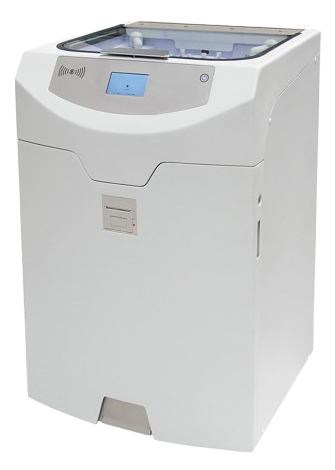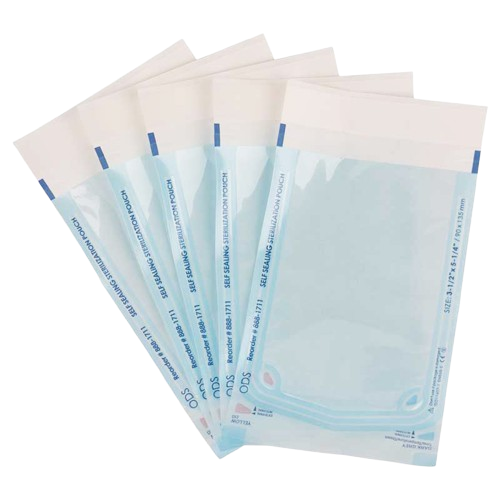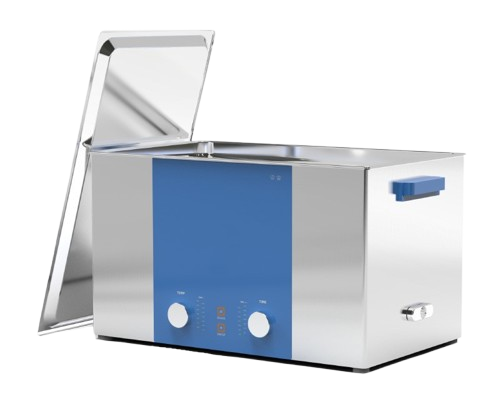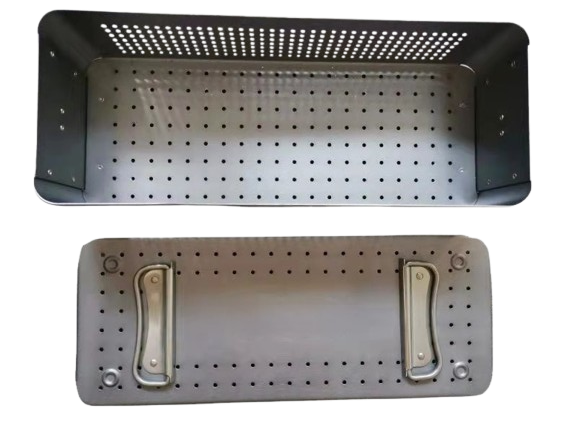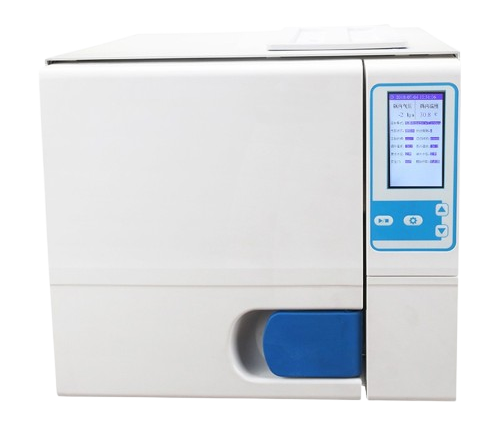
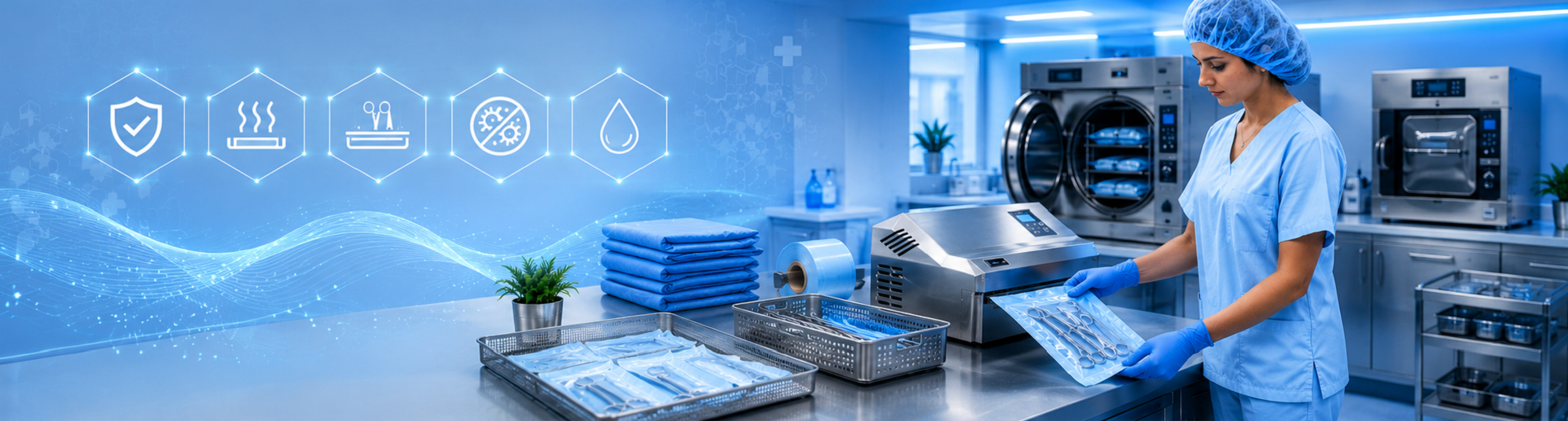
Sterilization solutions encompass advanced systems and consumables essential for eliminating microorganisms from surgical instruments, implants, and medical devices, ensuring aseptic conditions in healthcare settings. Common methods include steam autoclaving, which uses high-pressure moist heat for rapid, non-toxic sterilization of heat-resistant tools like scalpels and trays; ethylene oxide (EtO) gas for heat-sensitive items such as catheters and pacemakers; and low-temperature hydrogen peroxide plasma for endoscopes and electronics. Radiation techniques like gamma or electron beam provide deep penetration for single-use plastics, syringes, and dressings without residue.
These systems feature user-friendly autoclaves with pre-vacuum cycles for efficient air removal, biological indicators for validation, and vacuum-mixing for bone cement to minimize porosity. EtO chambers ensure low residuals with aeration, while plasma units cycle in under an hour using free radicals for sporicidal action. Compliant with FDA and ISO standards, they reduce infection risks, support high-volume processing, and accommodate diverse materials from metals to polymers.
Benefits include cost-effectiveness, material compatibility, and scalability for hospitals and manufacturers. Modern units integrate digital monitoring, traceability via barcodes, and eco-friendly options like nitrogen dioxide to replace hazardous gases, promoting patient safety and regulatory adherence worldwide.