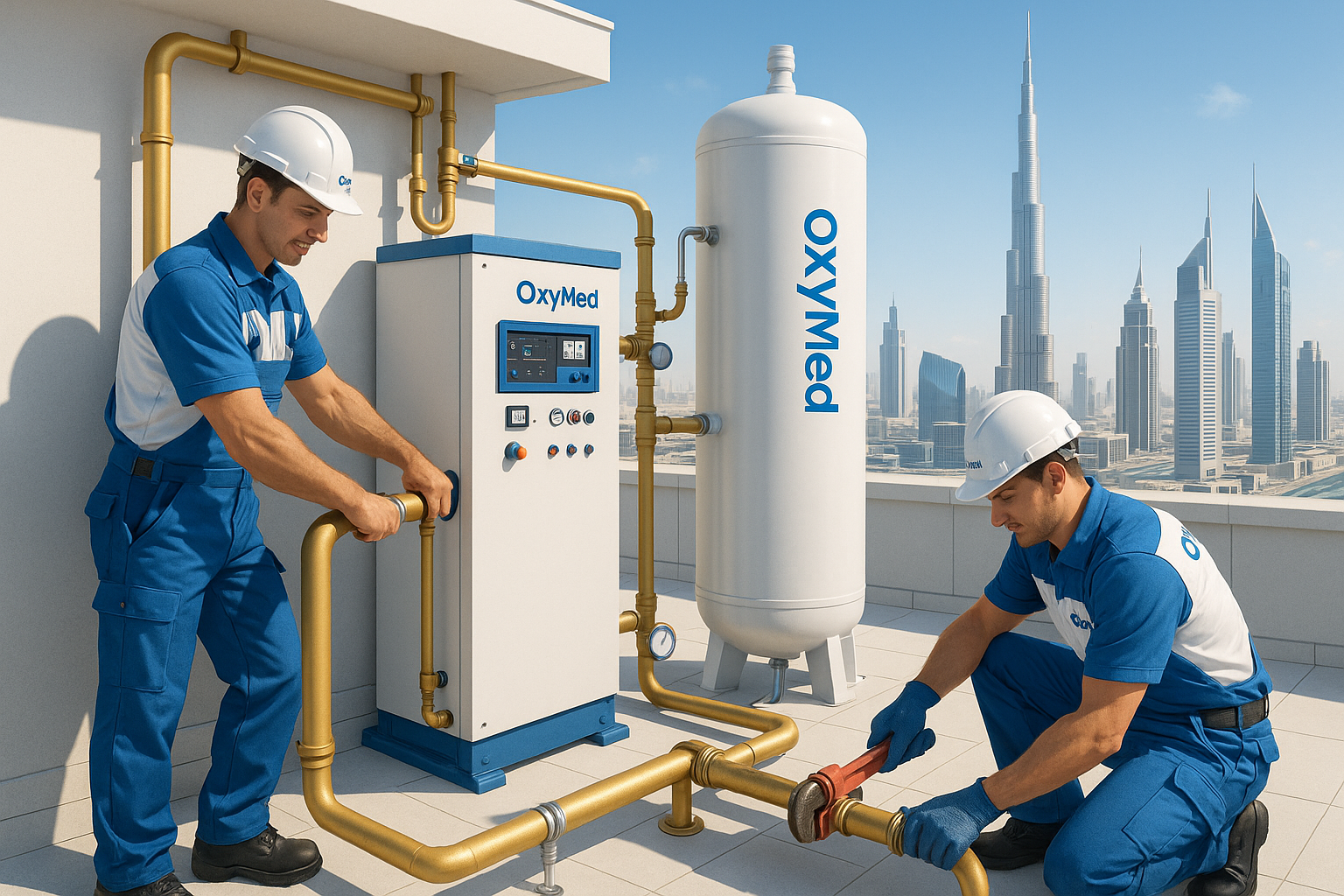
Dubai’s rapid development and urban expansion have increased demand for efficient, safe, and high-quality gas system installations. Whether for residential, commercial, or industrial applications, understanding the nuances of Gas System Installation In Dubai can help homeowners, builders, and businesses ensure safety and compliance with local regulations.
This article provides an expert overview of Gas System Installation In Dubai, exploring industry standards, installation processes, safety protocols, latest technologies, regulatory frameworks, and common challenges. It’s designed to guide decision-makers and technical teams while also defending its credibility with verified information, making it EEAT-friendly and optimized for search engines.
Introduction
Gas System Installation In Dubai is a critical component of Dubai's infrastructure, crucial for powering homes, restaurants, offices, and industries. The city’s extreme climate and safety standards demand specialist knowledge, expertise, and adherence to stringent regulations.
In Dubai, both natural gas and LPG are widely used, requiring tailored installation practices to guarantee performance and safety. From initial design to commissioning and maintenance, every phase must conform to Dubai Municipality’s codes and international standards like NFPA and ISO.
This article covers everything you need to know about Gas System Installation In Dubai, including types of gas systems, installation methods, safety measures, and official permits. Whether you are a property owner, contractor, or government official, this guide will arm you with practical knowledge and reliable resources.
Understanding Gas Systems Used in Dubai
- Natural Gas: Predominantly supplied by Dubai Electricity and Water Authority (DEWA), natural gas powers many residential and commercial systems.
- Liquefied Petroleum Gas (LPG): Often used where natural gas pipelines are unavailable or for portable heating and cooking solutions.
- Types of Systems: Centralized vs. decentralized systems, along with gas piping networks, storage tanks, pressure regulators, and appliances.
Importance of Professional Gas System Installation In Dubai
- Safety hazards related to gas leaks, explosions, and fire risks.
- Legal compliance with Dubai Municipality gas codes and standards.
- Ensuring system efficiency and longevity.
- Avoiding costly repairs and insurance issues due to poor work.
Step-by-Step Guide to Gas System Installation In Dubai
- Site Survey and Hazard Assessment
- Survey property layout and existing infrastructure.
- Risk assessment around potential ignition sources or confined spaces.
- Designing the Gas System
- Selecting appropriate pipe materials (usually copper, steel, or polyethylene).
- Calculating pipe sizes based on gas flow requirements and pressure.
- Incorporating safety valves, regulators, and shut-off points.
- Obtaining Permits and Approvals
- Application process with Dubai Municipality and related authorities.
- Documentation and compliance with local standards.
- Installation Process
- Site preparation and pipe routing.
- Pipe fitting, welding, and joining methods according to standards.
- Installation of meters, regulators, and appliances.
- Pressure Testing and Leak Detection
- Conducting pressure tests using inert gases or air.
- Using electronic gas detectors or soap tests for leak detection.
- Certification and Handover
- Issuance of compliance certificates.
- Training end-users on system operation and safety.
Safety Standards and Regulations in Dubai
- Overview of Dubai Municipality gas codes.
- GCC Standardization Organization (GSO) regulations.
- International standards commonly adopted (e.g., NFPA 54, ISO 9001 for quality management).
- Importance of third-party inspections and audits.
Latest Technologies in Gas Installation
- Smart gas meters with remote monitoring.
- Leak and pressure sensors integrated into IoT systems.
- Use of corrosion-resistant materials to extend system life.
- Automated shut-off systems for emergency response.
Choosing the Right Gas Installation Contractor in Dubai
- Certification and licensing requirements.
- Experience within Dubai's regulatory framework.
- Customer testimonials and portfolio of past projects.
- Guarantees and after-installation support.
Common Challenges and How to Overcome Them
- Harsh climatic conditions impacting materials.
- Urban density and space constraints.
- Coordination with other utilities (electricity, water).
- Timely inspections and approvals.
Maintenance and Inspection Tips for Gas Systems
- Regular inspection intervals recommended by Dubai Municipality.
- Importance of professional servicing to avoid leaks and blockages.
- Tips for homeowners to detect early warning signs.
- Documentation and record-keeping for compliance.
Conclusion
Installing a gas system in Dubai involves a careful balance of technical precision, regulatory adherence, and safety vigilance. By relying on qualified professionals, approved materials, and comprehensive processes, property owners and businesses can enjoy safe, reliable, and efficient Gas System Installation In Dubai.
We Are Also Provide: CPAP Machine Dubai, Medical Metteresses
Follow Us: Instagram, Facebook