

Understanding Differential Pressure Monitoring Systems Applications Across Industries
Differential pressure monitoring systems play a vital role in managing air quality, preventing contamination, and ensuring safety in controlled environments. These systems regulate air pressure within specific spaces, creating positive, negative, or balanced pressure environments suited for various applications.
Types of Differential Pressure Monitoring
- Positive Pressure: In positive pressure environments, more air is pumped into a room than allowed to leave, which pushes air out when doors or other openings are accessed. This technique is commonly used in operating rooms and clean rooms in healthcare and pharmaceutical settings to keep contaminants out.
- Negative Pressure: Here, air is drawn out of the space, preventing any contaminants within from escaping. Negative pressure is essential in isolation rooms in hospitals to contain airborne pathogens and in research laboratories where harmful substances may be handled.
- Balanced Pressure: In a balanced pressure system, the inflow and outflow of air are equal, which is ideal for HVAC systems in buildings, providing comfort and energy efficiency without impacting room air quality. Balanced pressure is also beneficial for general-purpose clean spaces.
Differential pressure sensors measure the difference in air pressure or particle levels between two points, making them essential for applications like clean rooms where strict pressure control is key to preventing contamination. For instance, in a positive-pressure room, any fluctuation in pressure or air quality when someone enters can compromise the room's protective environment, affecting the integrity of ongoing processes.
However, differential pressure sensors, like many electromechanical devices, are sensitive to external factors such as noise, humidity, temperature, and physical positioning. To ensure accurate readings and maintain the effectiveness of clean and isolation rooms, sensors designed to minimize the impact of these external influences are crucial.
To measure and control these pressures, differential pressure transducers are essential. Common types include capacitive transducers for high accuracy and piezoelectric transducers for rapid response times. These devices provide precise monitoring, ensuring consistent pressure levels for effective contamination control.
Key Industry Applications
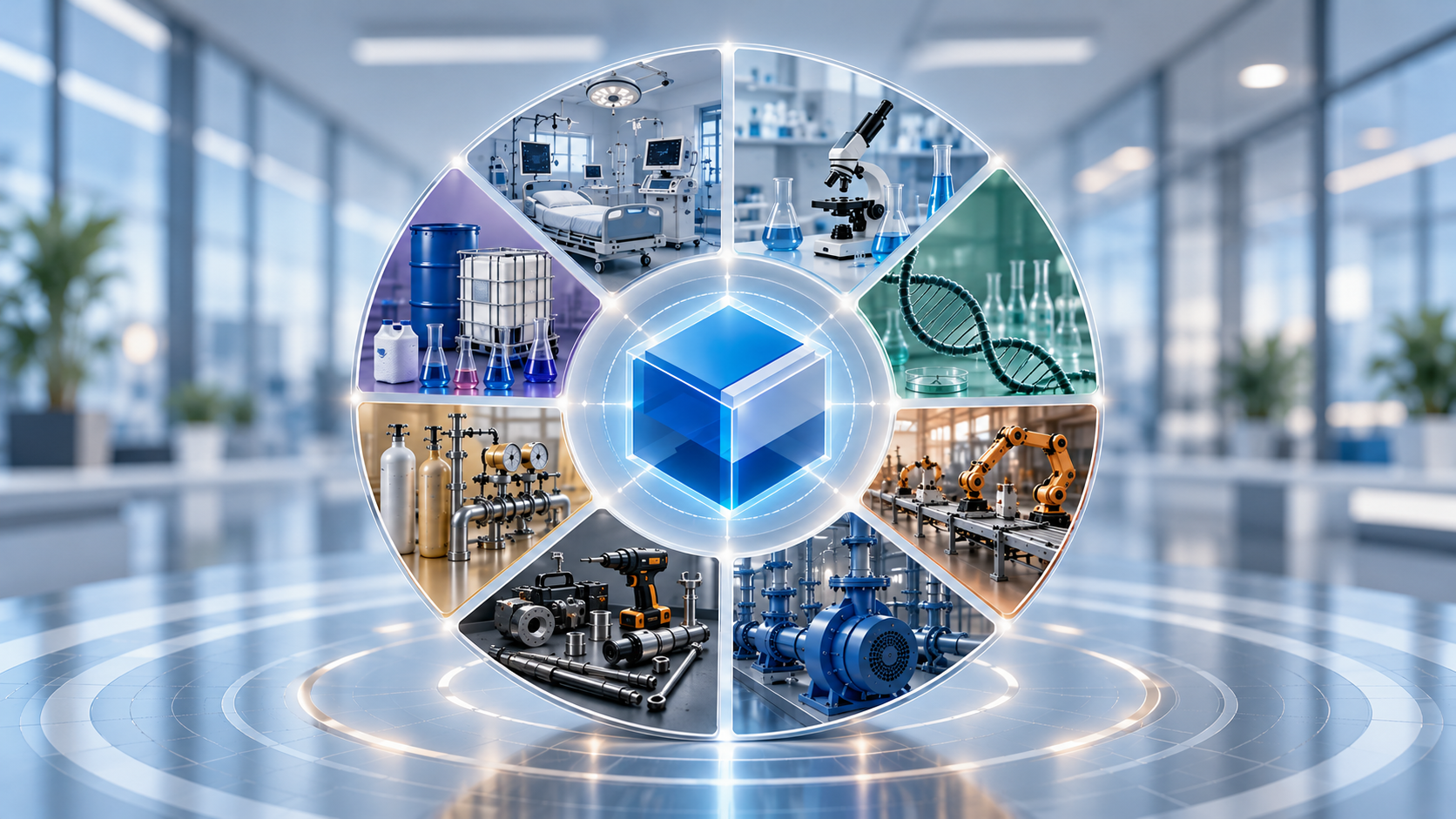
- Healthcare: Positive pressure is critical in operating rooms to prevent infections, while negative pressure is used in isolation rooms to control pathogens.
- Pharmaceutical and Clean Rooms: Maintaining contamination-free environments is essential in drug production, where positive pressure ensures product purity.
- Laboratories: Negative pressure environments in labs protect staff from potentially hazardous substances.
- Food and Beverage: Differential pressure monitoring helps maintain hygiene and prevent airborne contamination during food processing.
· Oil and Gas: Differential pressure systems are vital for monitoring pressure in pipelines and storage tanks, ensuring safe flow rates, detecting leaks, and preventing potential hazards.
- Aerospace and Defence: Used in fuel management, hydraulic systems, and environmental controls within spacecraft and military equipment, differential pressure monitoring is crucial for maintaining precise pressure and ensuring safety and performance.
- Aviation: In aviation, differential pressure systems help manage cabin pressure, monitor airflow, and ensure the safe operation of critical systems, especially during changes in altitude. These systems are essential for maintaining safety, efficiency, and operational integrity in flight.
Operation of Pressure Monitoring Systems:
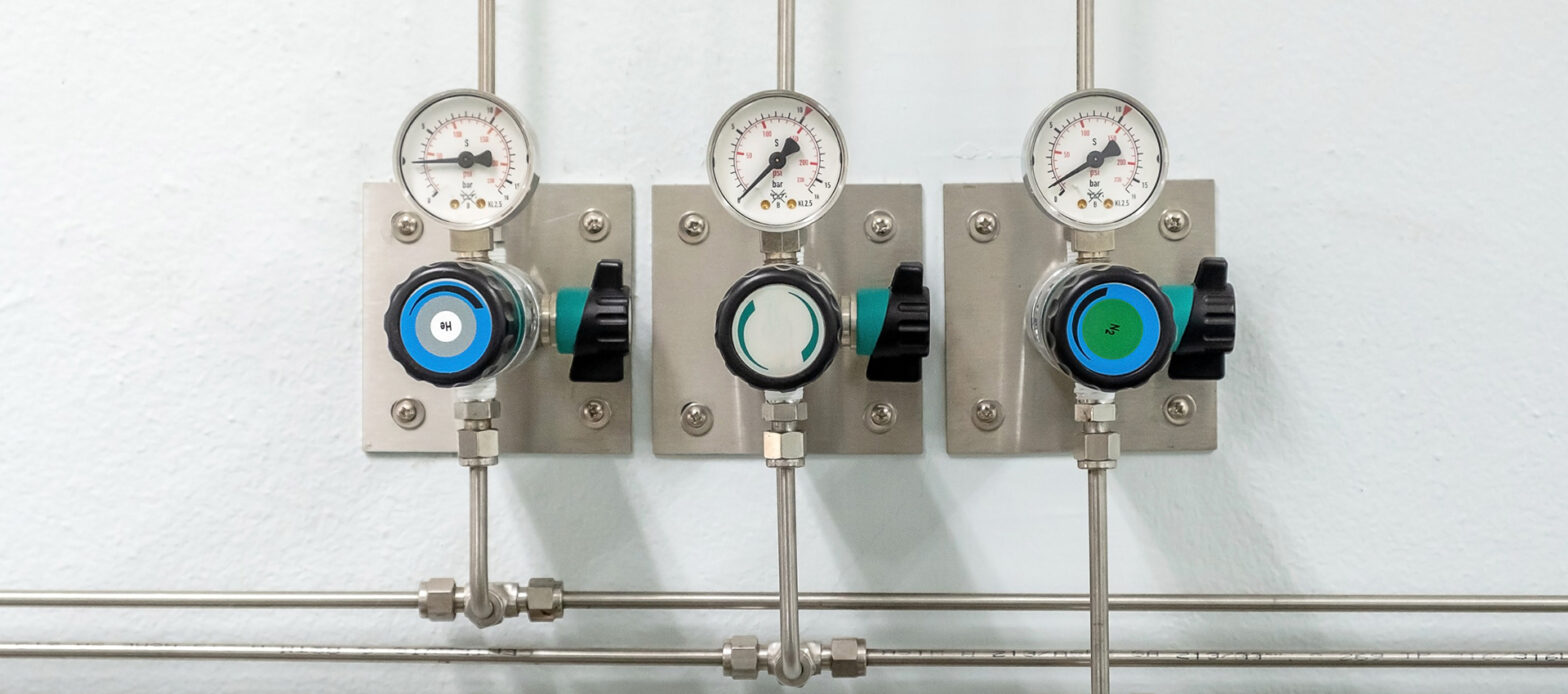
- Pressure Sensors: These devices detect and measure the pressure of gases or liquids and convert the pressure reading into an electrical signal.
- Transducers and Transmitters: These components convert the electrical signal from the pressure sensor into a readable format, often displayed on a digital screen or sent to a control system for analysis.
- Differential Pressure Monitoring: In systems requiring differential pressure, the sensor measures the difference in pressure between two points, ensuring balanced pressure levels in controlled environments (e.g., clean rooms or gas pipelines).
- Real-time Monitoring: Pressure monitoring systems typically offer real-time feedback, allowing operators to make adjustments and take corrective actions immediately if pressure levels fall outside safe ranges.
- Alarms and Alerts: Most systems are equipped with alarms or alerts that trigger when pressure levels exceed or drop below pre-set thresholds, helping prevent damage or unsafe conditions.
Benefits of Differential Pressure Systems
These systems improve safety, prevent contamination, and ensure regulatory compliance across industries. By controlling airflow and pressure, differential pressure monitoring supports clean and secure environments, making them indispensable in settings where air quality is paramount.
OxyMed’s advanced monitoring solutions ensure dependable air quality management across these essential sectors.