

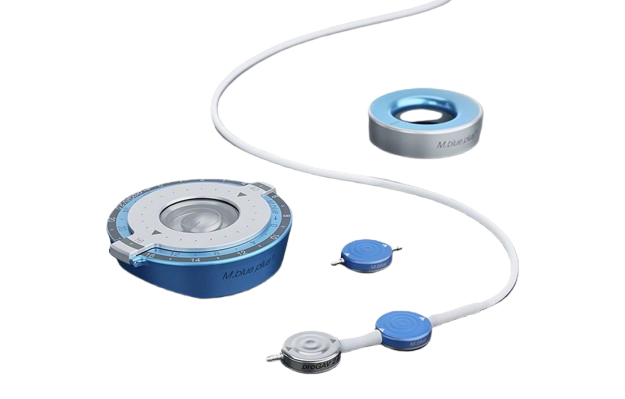
Surgical Shunts are critical medical devices designed to divert or redirect bodily fluids, preventing dangerous accumulations in various clinical conditions. Commonly used in neurosurgery, ventriculoperitoneal (VP) shunts feature a programmable valve, proximal catheter, and distal tubing to drain excess cerebrospinal fluid (CSF) from the brain's ventricles to the peritoneal cavity, effectively treating hydrocephalus and reducing intracranial pressure. Vascular shunts, like portacaval or arteriovenous types, bypass blockages in blood vessels during trauma or liver disease, maintaining circulation. Crafted from silicone or biocompatible polymers with radiopaque markers for imaging, these adjustable, low-profile shunts minimize infection risks, ensure long-term patency, and support patient recovery across pediatric and adult applications.