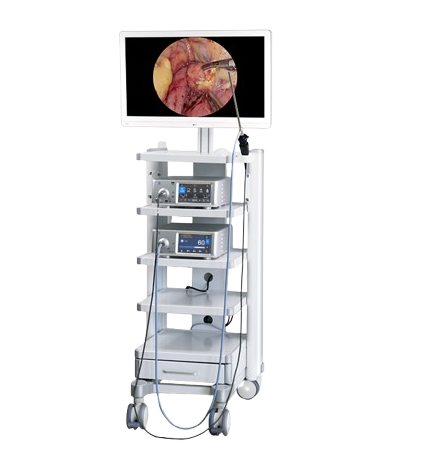
Endoscopes are flexible or rigid tubes equipped with cameras, lights, and channels that enable minimally invasive visualization, diagnosis, and treatment inside the body's hollow organs and cavities. Inserted through natural openings like the mouth, rectum, or urethra—or small incisions for laparoscopy/arthroscopy they transmit real-time high-definition images to monitors, allowing biopsies, polyp removal, bleeding control, stent placement, or foreign body extraction. Common types include gastroscopes (upper GI), colonoscopes (large intestine), bronchoscopes (lungs/airways), cystoscopes (bladder), and capsule endoscopes (swallowed pills for small bowel). Used to investigate symptoms like pain, bleeding, or swallowing issues, they detect ulcers, cancers, inflammation, and infections across GI, respiratory, urinary, and joint systems with low risks like perforation.